
Excavation Safety Starts Before You Dig
Pipelines are one of the safest and most reliable ways to transport energy, but excavation-related damage remains one of the greatest risks to pipeline safety. Striking, scraping, denting, or otherwise disturbing a pipeline or its protective coating can create an immediate hazard or contribute to a future failure.
Before beginning any excavation activity, it is essential to know where underground facilities are located and to follow safe digging practices at all times. Even minor contact with a pipeline can result in product release, fire, serious injury, property damage, or other dangerous conditions.
Thank you for helping us protect our pipelines, our communities, and one another.
SM Energy
Pipelines in Your Vicinity
PNGTS operates pipelines in your vicinity to move produced natural gas from where it is produced to where it is processed into pipeline-quality gas. These pipelines are subject to federal (and state) safety regulations and are routinely maintained and inspected.
How to Recognize an Odorized Gas Leak
Even though pipelines have an exceptional safety record, a leak or damage may cause a release of natural gas from the pipeline, in which case you may:

Smell
A rotten egg or sulfur odor. DO NOT depend on your sense of smell for indicating a hazardous concentration or continuing presence of gas; odor sensitivity may fade.

Hear
A hissing or roaring sound (caused by gas escaping from a pipeline).

See
Flying dirt or debris, flames or bubbling in water at ground level. A slow leak may cause localized dead vegetation near a pipeline.
If You Suspect a Leak
If you see, hear, or smell signs of a possible natural gas leak, do not investigate the source or attempt to stop the release yourself.
Leave the area immediately. Move to a safe location upwind and away from the suspected leak.
Call 911 from a safe location and report what you observed and where the suspected leak is located.
Avoid breathing gas or vapors and do not come into contact with escaping product.
Keep all flames and ignition sources away from the area. Natural gas is highly flammable and can ignite when exposed to a spark or flame.
Do not start vehicles, operate machinery or tools, use electrical switches, or activate electronic equipment near the suspected leak.
Natural gas is lighter than air and will normally rise and disperse when outdoors. However, gas can collect in enclosed or confined spaces and create a potentially explosive atmosphere.
Do not attempt to ventilate, disperse, contain, or repair a gas release. Leave the area and allow trained emergency responders and pipeline personnel to assess the situation.
Never assume someone else has reported the leak. If you suspect a problem, move to safety and make the call.
If You Expose or Contact a Pipeline
If you expose, strike, scrape, dent, move, or otherwise come into contact with a pipeline or its protective coating, stop work immediately and notify SM Energy. This includes situations where no visible damage is apparent.
Even minor contact can damage protective coatings, weaken the pipe, disturb surrounding support, or create conditions that may lead to corrosion, leakage, or failure at a later time. Damage that appears insignificant at the surface may still require inspection by qualified pipeline personnel.
If a pipeline is contacted or disturbed during excavation, follow all applicable state damage-reporting requirements and do not attempt to repair, rebury, move, or inspect the pipeline yourself.
Keep personnel and equipment away from the affected area until SM Energy has evaluated the pipeline and confirmed that work may safely resume. If you observe escaping gas or liquids, hear an unusual sound, smell gas, or believe there is an immediate hazard, leave the area, move upwind, and call 911 from a safe location.
Always report pipeline contact or suspected damage. Prompt notification allows SM Energy to inspect the pipeline and help prevent a more serious incident.
ROW Encroachment Prevention
Pipeline rights-of-way (ROWs) are designated areas above and alongside pipelines that provide access for inspections, maintenance, repairs, construction activities, vegetation management, and emergency response. Keeping these areas clear helps pipeline personnel safely access and monitor the system when needed.
Buildings, sheds, fences, retaining walls, trees, landscaping features, and other permanent or semi-permanent improvements should not be placed within a pipeline right-of-way without prior approval from the pipeline operator. Encroachments can restrict access, interfere with inspections, and delay maintenance or emergency response.
Some rights-of-way are identified by aboveground pipeline markers. These markers indicate the general presence of a pipeline but do not show its exact location or depth and should never be used as a substitute for contacting 811 before digging.
If you are planning construction, landscaping, fencing, grading, or other work near a pipeline right-of-way, contact the pipeline operator and 811 before beginning. Keeping rights-of-way accessible helps protect people, property, and the integrity of the pipeline system.
Temporary and Permanent Pipeline Markers
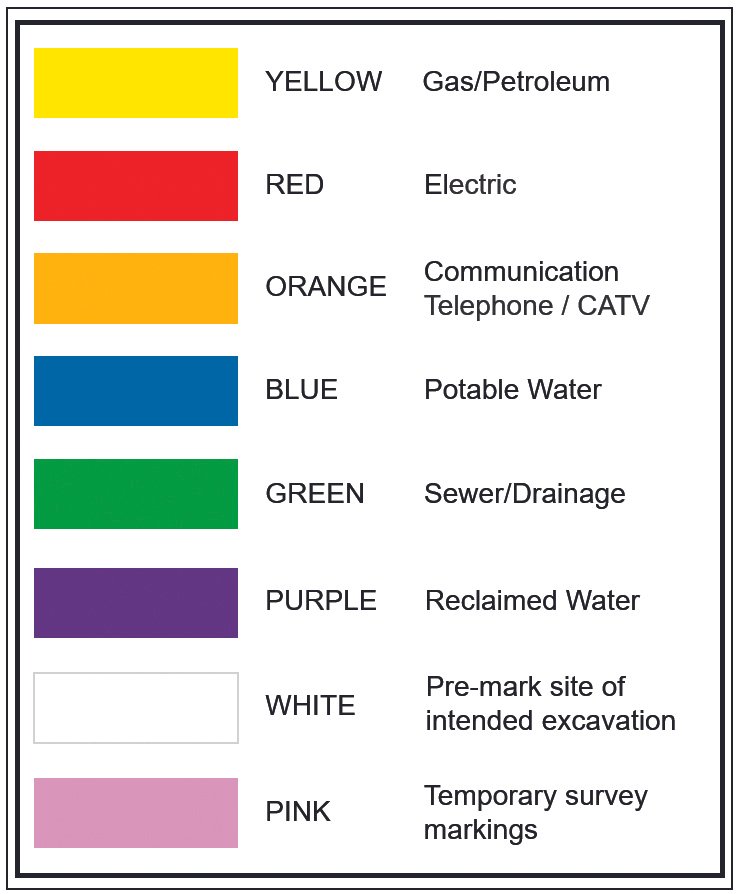
Temporary Marking of Underground Facilities
Temporary colored flags and/or paint may be placed on the ground in preparation for excavation activity. These markings are placed by facility operators in response to “One Call” (811) requests to indicate the approximate location of buried facilities. PLEASE DO NOT REMOVE OR RELOCATE these markings as it could lead to damage, injury, or death.
Natural gas pipelines are marked in YELLOW.
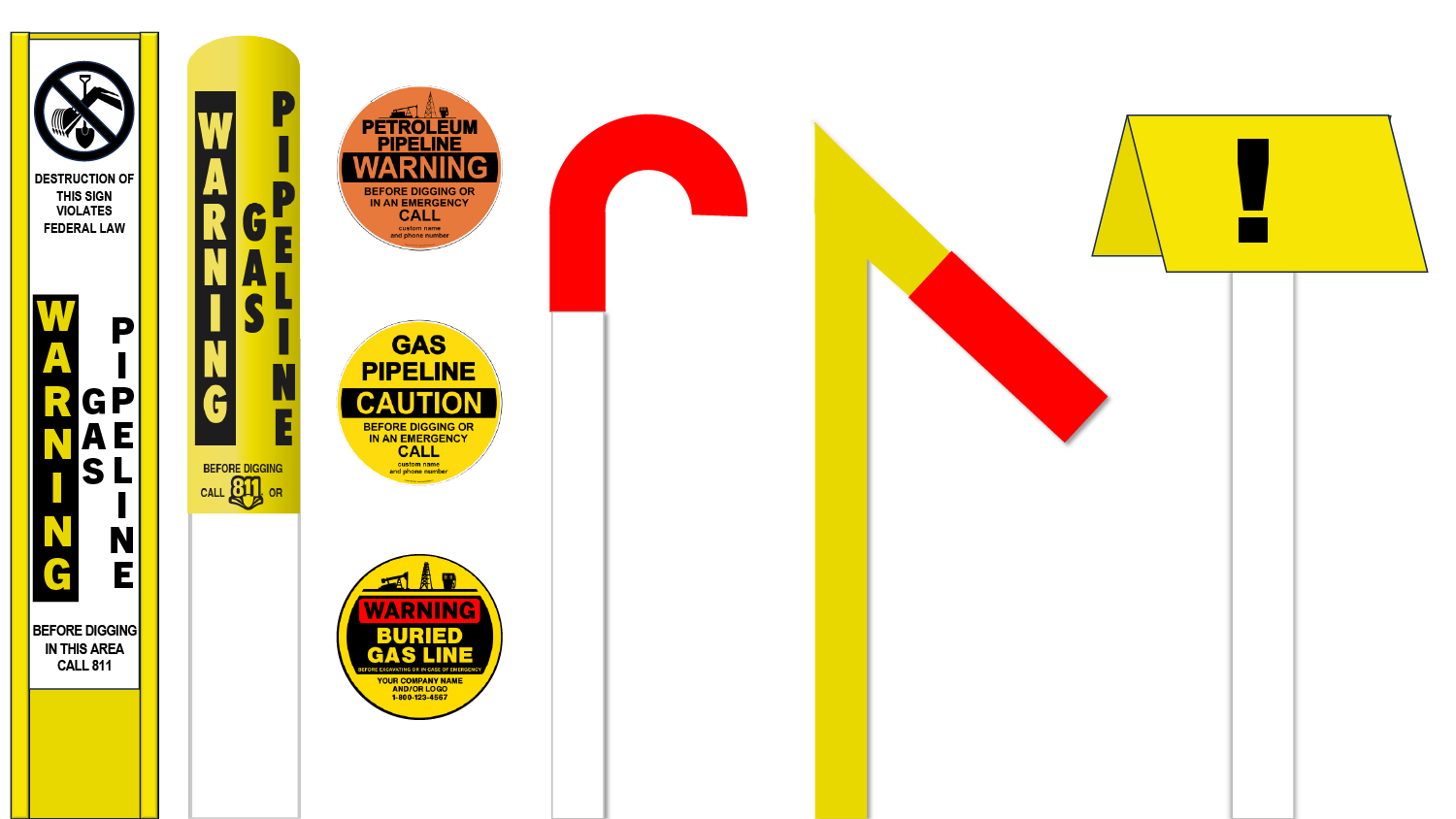
Permanent Marking of Pipelines
The appropriate location of select pipelines may be marked with permanent markers either along their length or at specific locations, notably at major road or highway crossings, water crossings, and railroad crossings. These markers contain contact information for the operator. Not all pipelines are permanently marked. THESE MARKERS CANNOT BE USED IN LIEU OF 811 NOTIFICATIONS.

Call 811 Before You Dig
SM Energy operates pipelines and other underground facilities throughout its DJ Basin operations in Colorado. Whether you are a professional excavator, contractor, landowner, farmer, or homeowner, knowing what is underground before work begins is essential to protecting yourself, your crew, and nearby pipeline facilities.
Colorado law requires you to contact Colorado 811 before beginning excavation. Submit a locate request at least three business days before you plan to dig so affected facility operators have time to identify and mark underground facilities in the work area.
Before work begins, confirm that all affected facility operators have responded to your 811 request and that required markings are visible. Never assume you know where a pipeline is located based on markers, maps, previous excavation, or past experience.
Damage to a pipeline—even a scrape, dent, or damaged protective coating—can create an immediate hazard or contribute to a future pipeline failure.
Call 811 before every dig. Know what’s below and dig safely.
Information on Safe Digging Practices
Safe excavation depends on careful planning, clear communication, and following established damage-prevention practices before and during every project. Whether you are working near pipelines, utilities, or other underground facilities, taking the right precautions helps protect workers, property owners, nearby communities, and critical infrastructure. Before excavation begins, make sure your 811 locate request is complete, required markings are visible, and everyone on the job understands the limits of the work area. Maintain those markings throughout the project and use appropriate excavation methods when working near identified underground facilities.Safe digging also means understanding the tolerance zone, using hand tools or other approved methods where required, supporting exposed facilities, and stopping work immediately if conditions in the field do not match the information provided through the locate process.For guidance specific to excavation in Colorado, visit Colorado 811 at colorado811.org. Additional industry best practices, training materials, and damage-prevention resources are available through the Common Ground Alliance at commongroundalliance.com.Every excavation is different. Review the requirements for your work area, follow established safe digging practices, and contact 811 before every project.